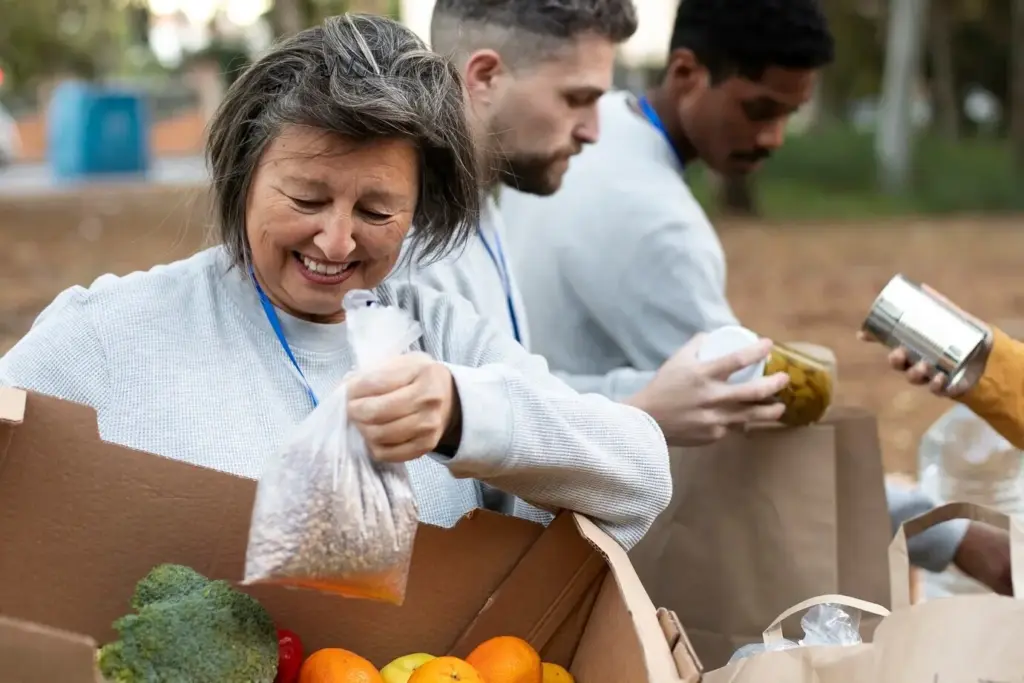
From Hours to Honors: Recognizing Learning in Short Volunteer Stints

Today we dive into assessing and crediting learning from short-term volunteer projects, showing how brief bursts of service reveal measurable competencies that deserve recognition. Expect practical tools, compassionate rigor, and inspiring examples you can adapt right away. Share your experiences, ask questions, and subscribe to stay updated as we refine methods that turn goodwill into verifiable growth.

From Moments to Mastery: Identifying Competencies Gained

A weekend build, a rapid response shift, or a concentrated micro-mission can develop real abilities—problem solving, teamwork, cultural agility, communication, and ethical judgment. The key is naming these gains precisely, linking tasks to outcomes, and capturing evidence before memories fade. We’ll translate lived action into clear competencies that make sense to learners, communities, schools, and employers.

Evidence that Holds Up: Collecting and Curating Proof
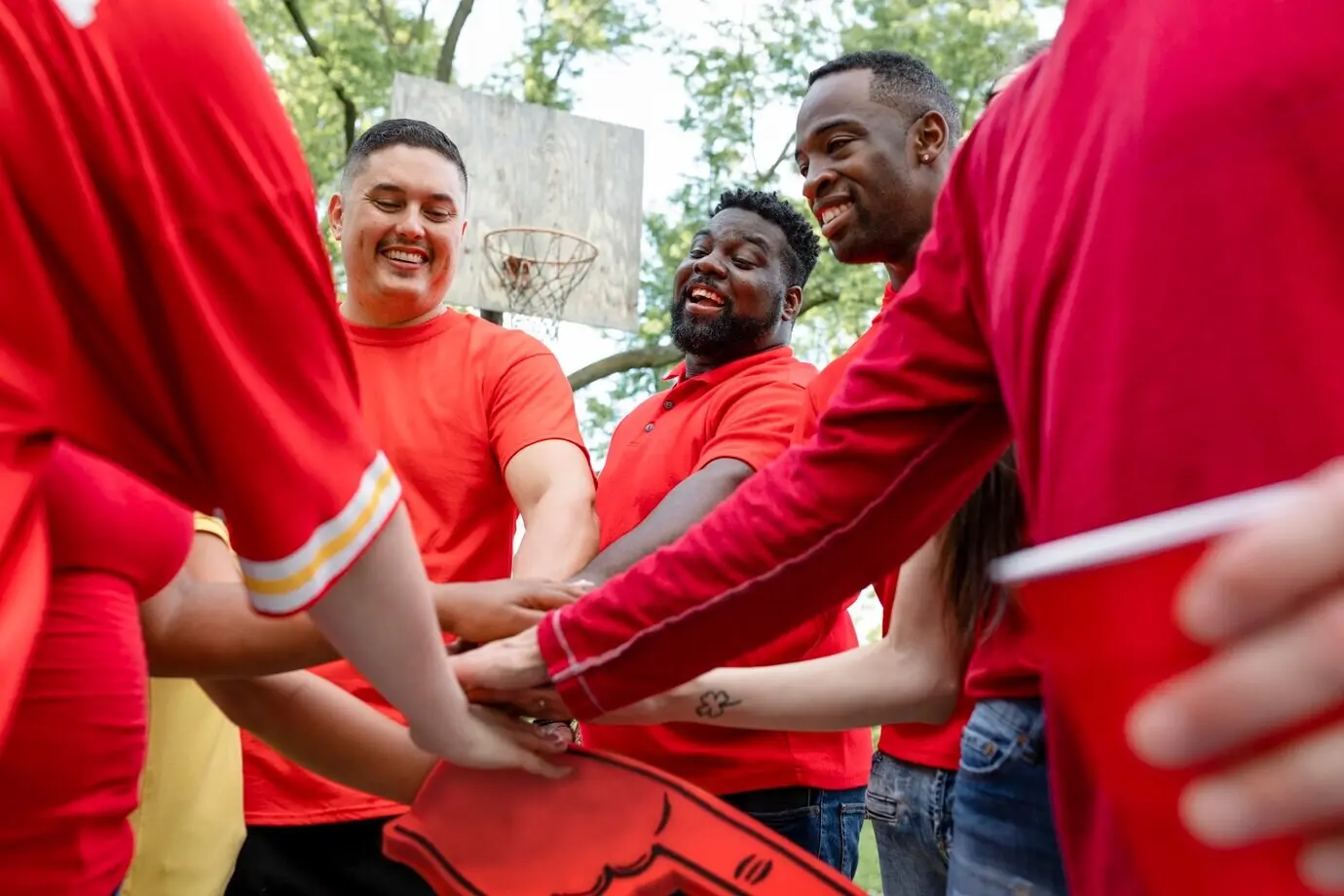
Credible recognition relies on credible artifacts. Capture reflections, task logs, photos with captions, supervisor attestations, and community feedback tied to outcomes. Time-stamp entries, protect privacy, and connect each item to a specific competency. Lightweight, structured evidence collected in the moment reduces memory bias and supports fair decisions long after the project concludes.

Judging Fairly: Tools that Make Recognition Credible

Fair assessment blends rigor with humanity. Use rubrics that define performance levels with concrete descriptors, calibrate reviewers to reduce bias, and consider multiple evidence types. Micro-credentials and digital badges should articulate criteria and verification methods clearly. Transparent decisions build trust with learners, communities, institutions, and hiring managers who rely on the signals we issue.

Rubrics that Balance Rigor and Humanity

A good rubric honors complex human work. Replace vague adjectives with observable indicators, include ethical reasoning where relevant, and design levels that reflect real progression. Facilitate calibration sessions using sample artifacts so assessors align interpretations. When learners see what excellence looks like, they aim higher, and assessment becomes a guidepost rather than a gate.

Badge Criteria that Mean Something

A badge should tell a story: what was done, how it was assessed, and why it matters. Publish criteria, evidence requirements, and verifier identity. Include alignment to frameworks and expiration when skills require currency. Clear metadata turns a pretty icon into a portable signal that earns attention from registrars, admissions committees, and hiring panels.
Translating Hours and Impact into Credit

Time matters, but impact and rigor matter more. Estimate learning hours honestly, show alignment to curricular outcomes, and describe assessment methods clearly. Provide syllabi crosswalks that demonstrate equivalence, not just relevance. When institutions see careful mappings and strong evidence, they can responsibly convert service experiences into credits that hold up under scrutiny.

Recognition of Prior Learning Pathways

Use established prior learning processes to validate service-based competence. Build portfolios anchored to outcomes, submit to qualified assessors, and reference accepted standards. Where available, link results to micro-credentials that stack into formal awards. This reduces duplication, respects learners’ time, and helps institutions maintain integrity while acknowledging learning that happened beyond the classroom walls.

Fairness First: Inclusion, Validity, and Ethics

Good intentions are not enough. Recognition must be equitable, accessible, and protective of communities. Design for varied languages, abilities, and technologies. Provide alternatives for those who cannot capture media. Train assessors to confront bias. Guard dignity in stories and data. Ethical assessment honors both the learner’s growth and the community’s trust and contribution.

Proof in Practice: Stories and Ways to Get Involved

Real lives show why recognition matters. A two-day effort can reshape confidence, open academic doors, or land an interview. Read these condensed journeys, then share your own experiences, questions, or doubts. Comment below, subscribe for new tools and case studies, and help build a culture that recognizes service as rigorous learning.
Namulixufopamamanori
Privacy Overview

This website uses cookies so that we can provide you with the best user experience possible. Cookie information is stored in your browser and performs functions such as recognising you when you return to our website and helping our team to understand which sections of the website you find most interesting and useful.